Zöllner Illusion
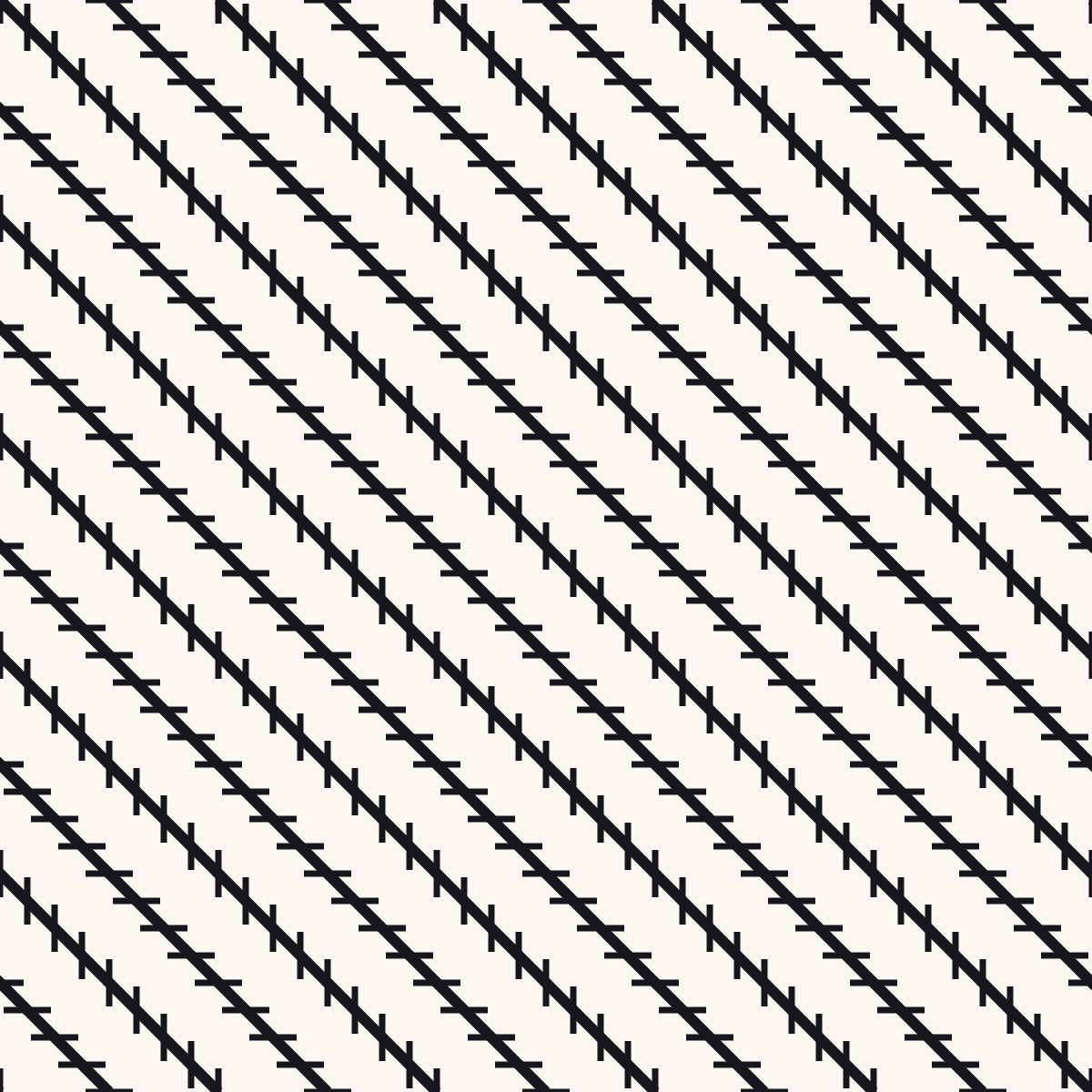
Short hatches make long parallel lines seem to tilt toward each other.
What do you see?
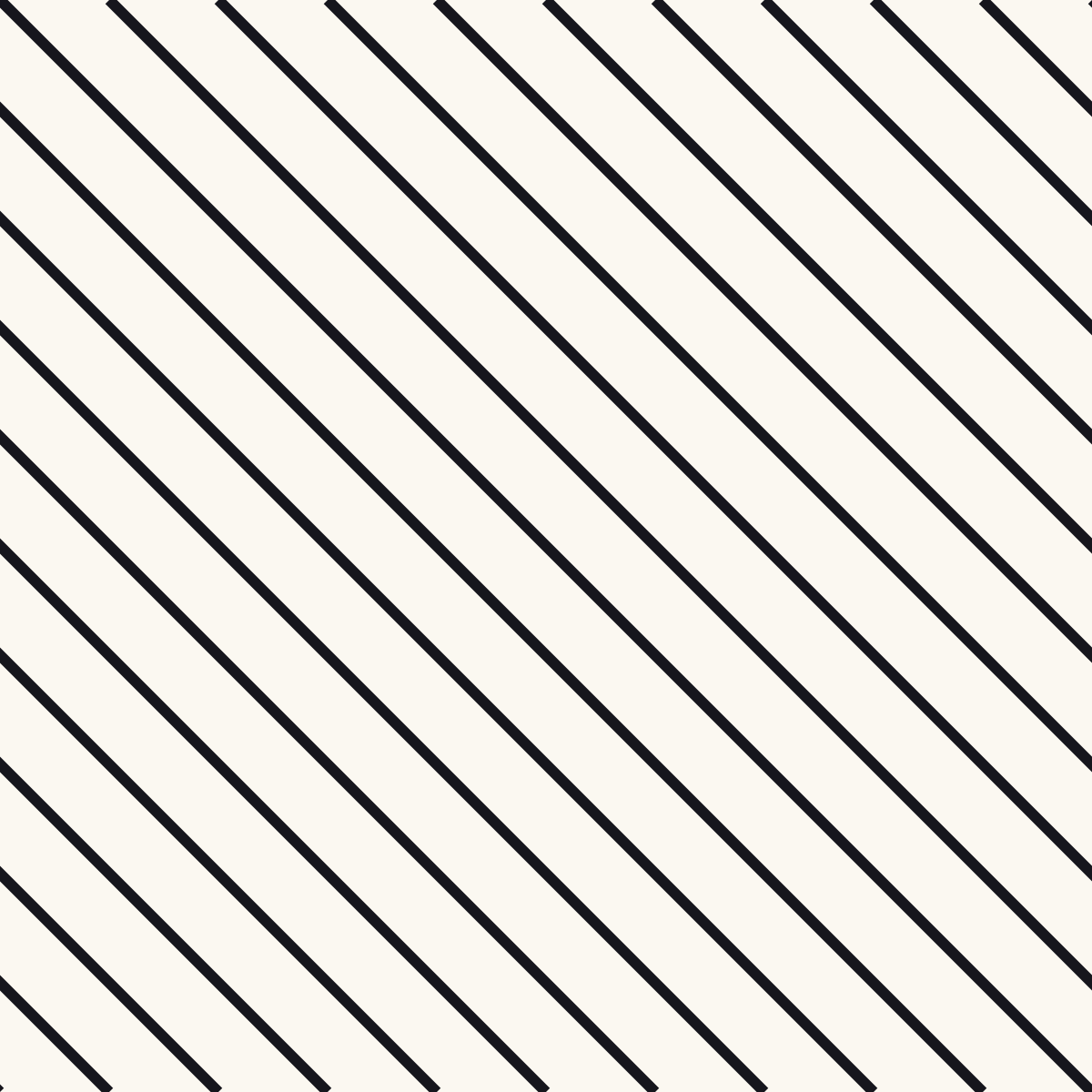
A set of long diagonal lines crossed by short hatch marks that alternate between vertical and horizontal from one line to the next. The long lines do not look parallel: neighbours seem to lean toward and away from each other, like slightly splayed fence posts. Press Reveal and remove the hatching. The lines were parallel all along.
How it works
The Zöllner illusion is a classic example of tilt contrast, the tendency to see the orientation of a line as pushed away from the orientation of lines that cross or surround it. When a long line is crossed by short lines at a sharp angle, the long line appears rotated slightly away from them, as if the angle between them were larger than it really is. The hatches on alternate lines point in opposite directions, so the long lines are pushed in alternating directions, and the set no longer looks parallel.
The mechanism is thought to lie in the orientation-tuned neurons of primary visual cortex. Each neuron responds best to edges at a particular angle and less well to nearby angles. Neighbouring neurons inhibit each other, which sharpens the brain's sense of orientation in ordinary viewing. But when lines of two different orientations overlap in the same region, the inhibition between their populations shifts the overall pattern of activity. The peak response for the long line moves slightly away from the hatches, so the line is coded as more tilted than it really is. This is sometimes called angular expansion: acute angles tend to be perceived as larger than they are.
The strength of the effect depends on the angle between the hatches and the long lines. It is typically strongest at fairly sharp angles, and weaker as the hatches approach a right angle. The illusion also grows stronger when the long lines are at a diagonal rather than horizontal or vertical, because our sense of the cardinal directions is especially precise, a finding known as the oblique effect.
Tilt contrast has a cousin in time called the tilt aftereffect. After staring at lines tilted one way for a while, vertical lines look tilted the other way. Both effects are explained by the same idea of competing orientation detectors, one by spatial neighbours and the other by adaptation over time.
History
German astrophysicist Johann Karl Friedrich Zöllner described the illusion in 1860 after noticing it in a fabric design with a pattern of crossed lines. He sent his observation to the physicist Johann Christian Poggendorff, who spotted a second illusion in the same drawing, now known as the Poggendorff illusion. The version on this page was drawn for OpticalIllusions.com.
Try it
- Press Reveal to remove the hatches and compare.
- Tilt your head or rotate your phone 45 degrees: the effect usually changes strength.
- Look along the lines from a low angle across the screen, which tends to weaken the illusion.
- Try squinting until the hatches blur: the lines often straighten.
Written by K.R. for OpticalIllusions.com · Updated . Illusion artwork © The Wizard Of Sales, LLC. Feel free to share a link; see our terms for reuse.
Related illusions
 Geometric illusionsCafé Wall IllusionPerfectly parallel rows of tiles that seem to tilt into wedges.
 Geometric illusionsHering IllusionTwo straight red lines bulge apart over a burst of rays.
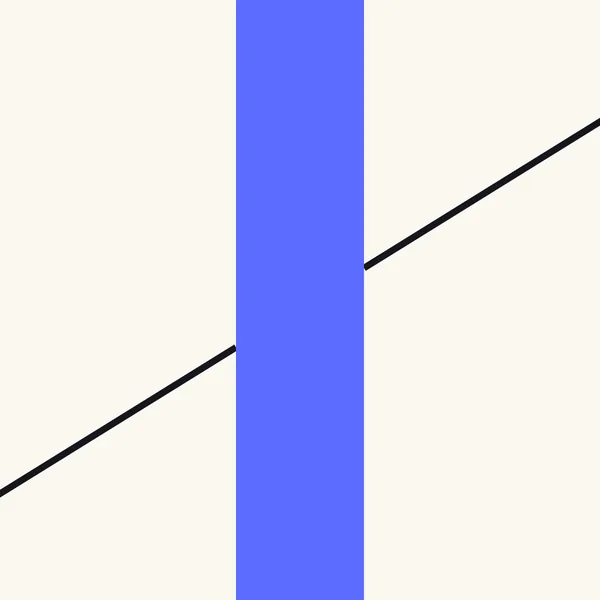 Geometric illusionsPoggendorff IllusionA straight diagonal looks misaligned where a bar crosses it.
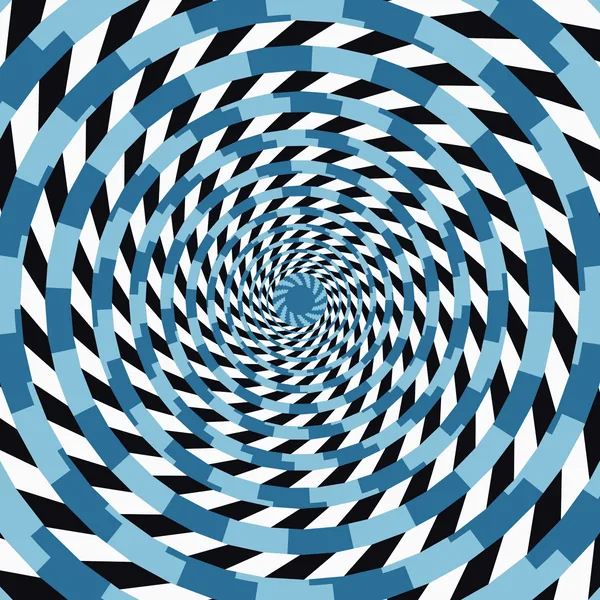 Geometric illusionsFraser SpiralConcentric circles of twisted cord that look like one big spiral.