Simultaneous Contrast
A uniform grey bar looks lighter on the left and darker on the right.


What do you see?
A horizontal grey bar on a background that fades from black on the left to white on the right. The bar seems to fade the opposite way: lighter on the dark side, darker on the light side. Press Reveal and the background turns plain grey. The bar is a single, uniform shade from end to end.
How it works
Simultaneous contrast is the tendency to see a colour or shade as pushed away from what surrounds it. A grey patch on a dark background looks lighter; the same patch on a light background looks darker. The gradient in this picture changes the background continuously, so the bar appears to change continuously as well.
The traditional explanation starts in the retina. Neurons there compare light in a small central region with light in the surrounding area. A grey region next to a dark area produces a stronger response than the same grey next to a bright area, because the bright surround inhibits the response. The difference is passed on to the brain as a difference in brightness.
But simultaneous contrast is not just a retinal effect. Experiments show that its strength depends on how the brain groups surfaces and interprets lighting. If a grey patch is seen as belonging to a dark region, it is compared mainly with that region; if it is seen as part of a different surface, the effect changes. This is why some contrast illusions, such as the checkerboard shadow, can be far stronger than simple retinal inhibition would predict.
The effect works for colour as well as brightness. A grey patch on a red background looks slightly green, and on a blue background it looks slightly yellow. Painters and designers have long known that colours change depending on their neighbours, which is why the same paint can look different on two walls.
Simultaneous contrast helps us see edges and surfaces under changing light. By emphasising differences, the visual system makes boundaries stand out and helps us judge surface properties consistently. The cost is that absolute values are hard to judge, as anyone who has tried to match paint samples knows.
In this picture, the bar is exactly the same grey as the background at the centre. Where the background is darker than the bar, the bar looks lighter; where the background is lighter, the bar looks darker. You can see this most clearly by covering the background with paper or by using the reveal button.
History
The French chemist Michel Eugène Chevreul described the laws of simultaneous contrast in 1839 after investigating why dyed tapestries at the Gobelins factory looked dull. His work influenced generations of painters, including the Impressionists. The gradient here was drawn for OpticalIllusions.com.
Try it
- Press Reveal to replace the gradient with plain grey.
- Lay two strips of paper above and below the bar to hide the background.
- Look at the left and right ends of the bar alternately.
- Try the same trick in a drawing app with a coloured gradient.
Written by K.R. for OpticalIllusions.com · Updated . Illusion artwork © The Wizard Of Sales, LLC. Feel free to share a link; see our terms for reuse.
Related illusions
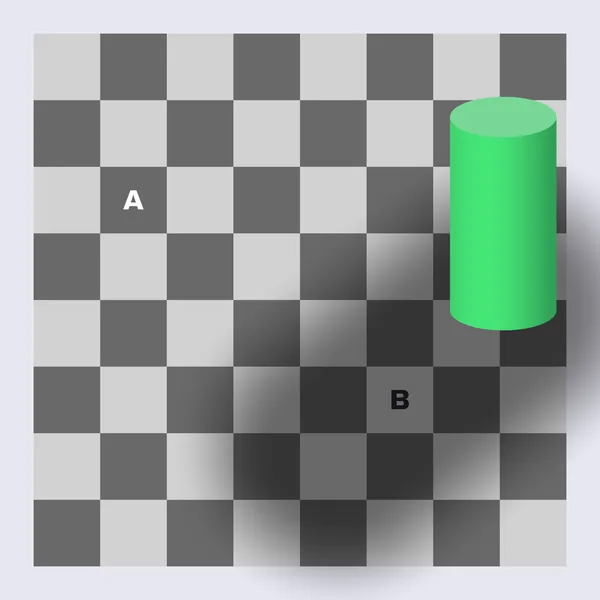 InteractiveBrightness illusionsCheckerboard Shadow IllusionA dark square in light and a light square in shadow are the same grey.
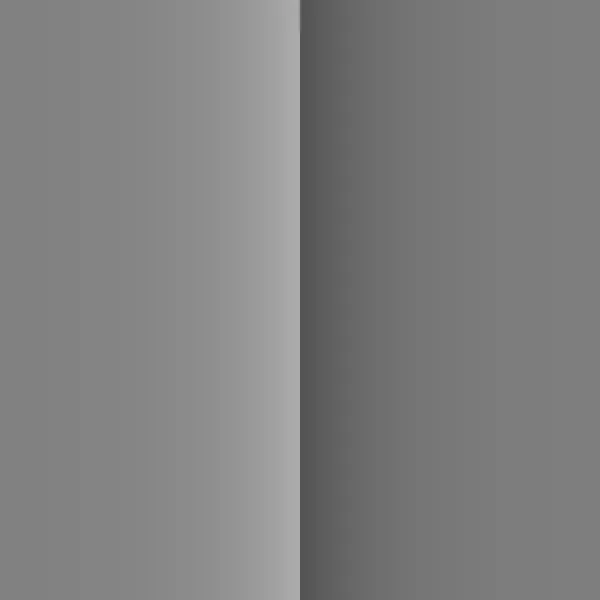 InteractiveBrightness illusionsCornsweet IllusionLeft and right halves are the same grey, but the left looks lighter.
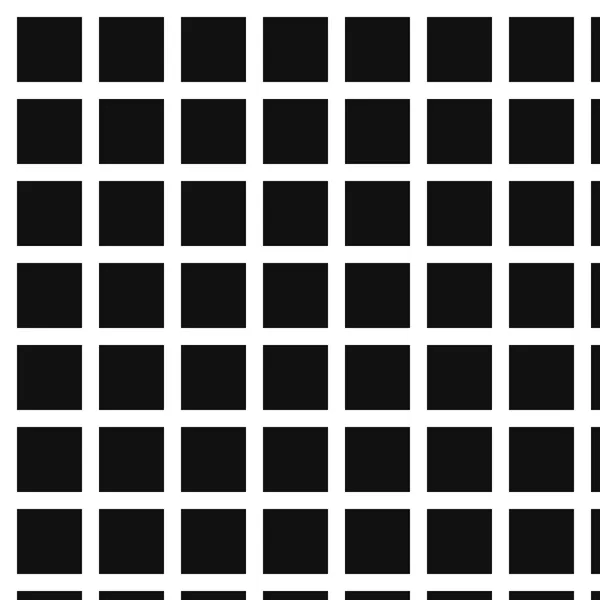 Brightness illusionsHermann GridGrey smudges flicker at the crossings of a black-and-white grid.
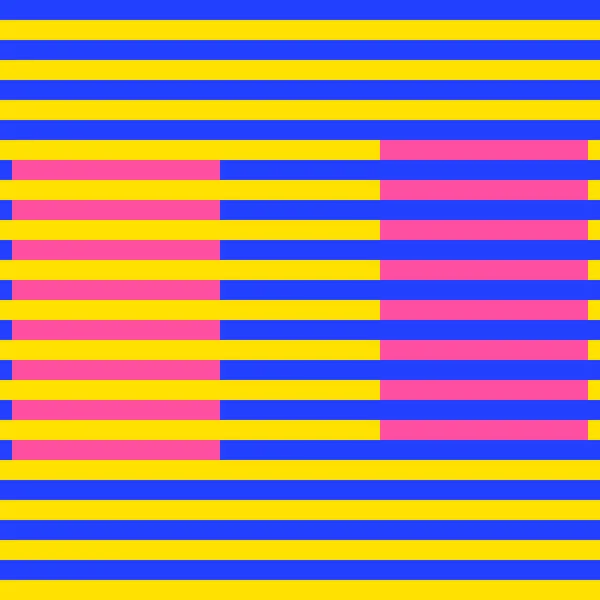 Colour illusionsMunker-White IllusionThe same pink looks like two colours on blue and yellow stripes.