Ebbinghaus Illusion
A circle among giants looks small; among dwarfs it looks big.
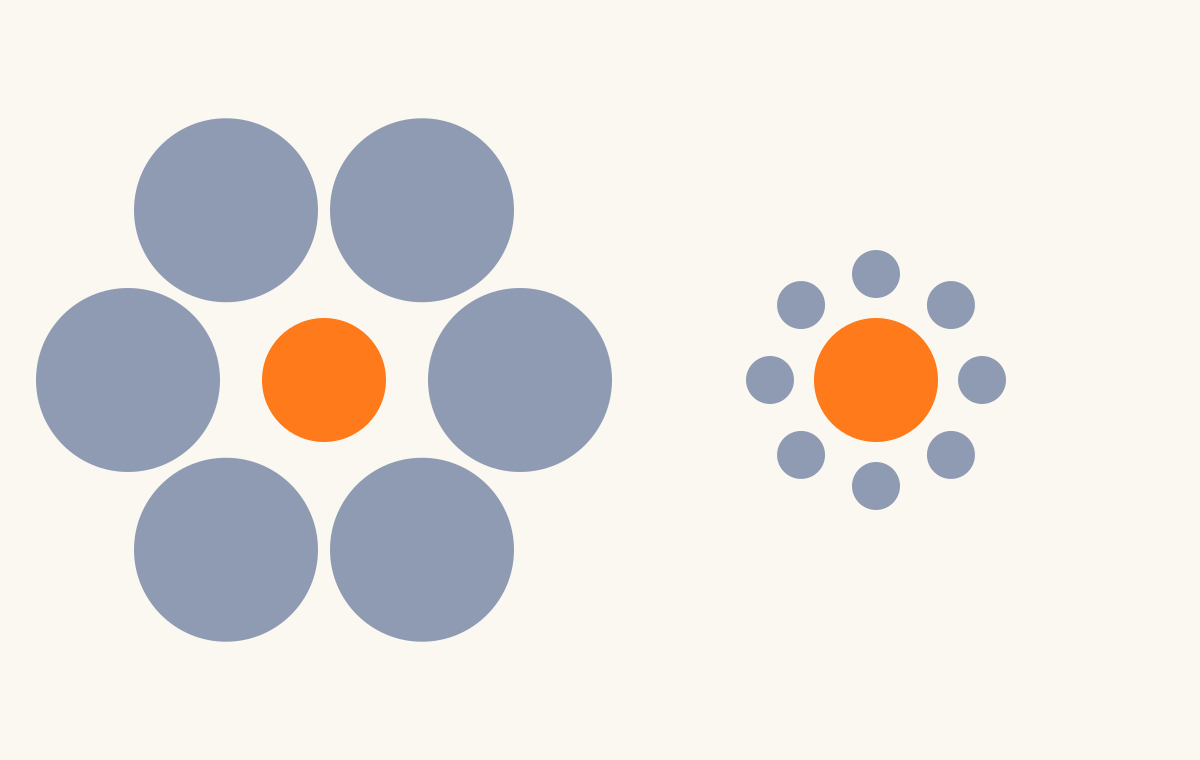
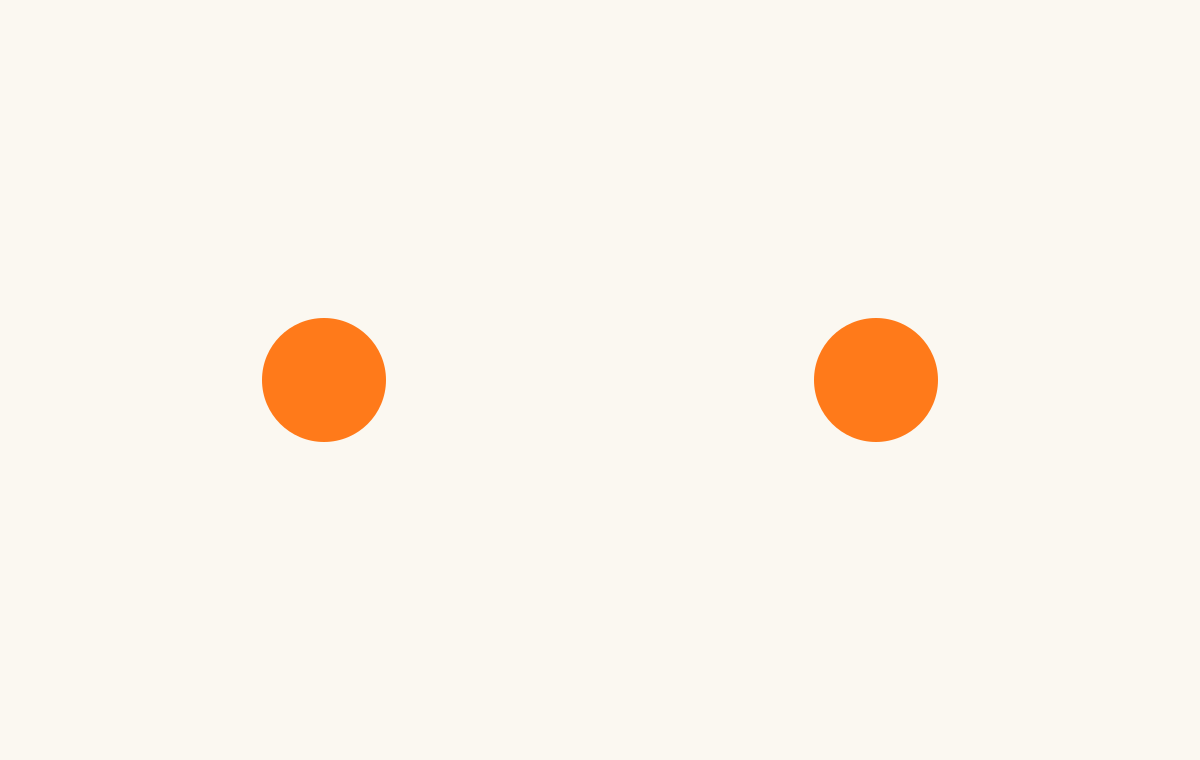
What do you see?
Two orange circles. The one on the left, ringed by large grey circles, looks small. The one on the right, ringed by little grey dots, looks clearly bigger. Press Reveal and the surrounds disappear: the two orange circles are exactly the same size.
How it works
The Ebbinghaus illusion shows that your brain judges size by comparison. There is no absolute ruler in the visual system; the size of something is constantly estimated relative to what is near it. Large neighbours make the central circle shrink by contrast, and small neighbours make it swell.
Two factors appear to drive the effect. The first is relative size contrast: the central circle is compared with its neighbours, and the larger the difference, the stronger the push. The second is distance. In the right-hand figure, the small circles are packed close to the centre, and closeness tends to make a target look bigger. In the left-hand figure, the large circles sit farther away, leaving a gap that makes the centre look smaller. Experiments that change size and distance independently show that both matter, and in some arrangements the distance effect can even outweigh size.
One of the most famous experiments with this illusion concerned action rather than perception. In 1995, Salvatore Aglioti, Joseph DeSouza and Melvyn Goodale built a three-dimensional version using thin discs and asked people to reach out and pick up the central disc. Although observers saw the discs as different sizes, the opening of their fingers during the reach was much less affected. This supported the idea that vision for action and vision for perception use partly separate pathways in the brain. Later studies argued about how large that difference really is, and the debate helped refine how researchers design such experiments.
Susceptibility varies between people. Studies have reported differences linked to culture, age and visual style: for example, research with the Himba people of Namibia found them less affected than British or Japanese participants, and young children tend to be less affected than adults. Brain imaging has also found that individual differences in the size of primary visual cortex correlate with how strongly people experience the illusion.
The same comparison is at work in everyday design. A plate makes a portion look smaller or larger, a person looks taller among short friends, and a logo can look cramped or generous depending on the shapes around it.
History
German psychologist Hermann Ebbinghaus, famous for his studies of memory, is credited with discovering the effect in the late nineteenth century. It was popularised in English-speaking psychology by Edward Titchener in a 1901 laboratory manual, which is why it is also called Titchener circles. The figure here was drawn for OpticalIllusions.com.
Try it
- Press Reveal to remove the surrounds and compare again.
- Cover one figure with your hand and look at each orange circle alone.
- Ask a friend which circle they would rather have as a cookie.
- Try squinting: the illusion is usually just as strong.
Written by K.R. for OpticalIllusions.com · Updated . Illusion artwork © The Wizard Of Sales, LLC. Feel free to share a link; see our terms for reuse.
Related illusions
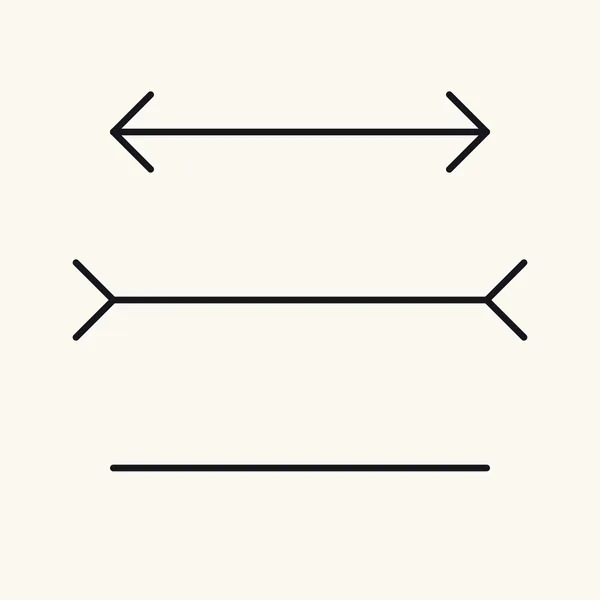 InteractiveGeometric illusionsMüller-Lyer IllusionThree identical lines that look clearly different in length.
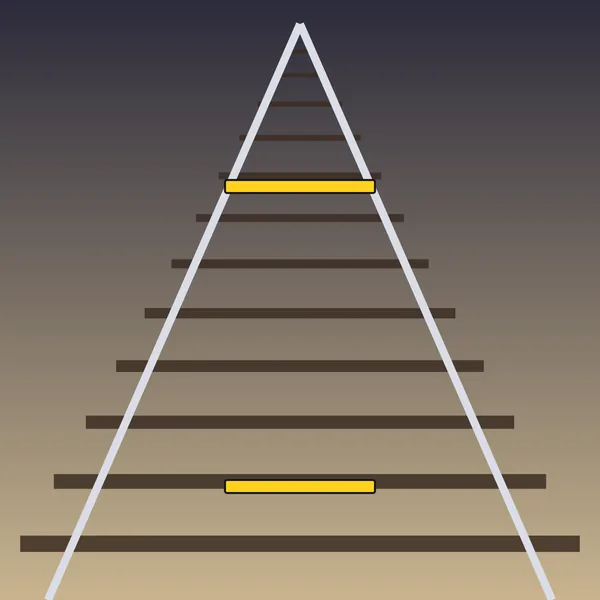 Geometric illusionsPonzo IllusionTwo equal bars on converging rails look like different lengths.
 Geometric illusionsJastrow IllusionTwo identical arcs, but the lower one always looks bigger.
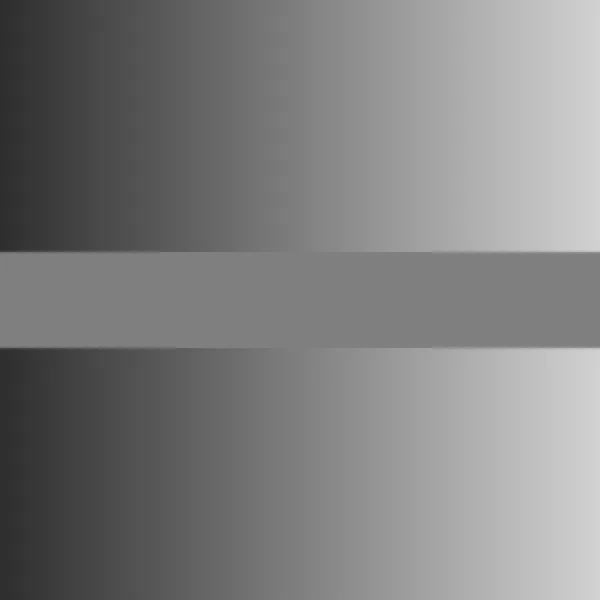 InteractiveBrightness illusionsSimultaneous ContrastA uniform grey bar looks lighter on the left and darker on the right.