Müller-Lyer Illusion
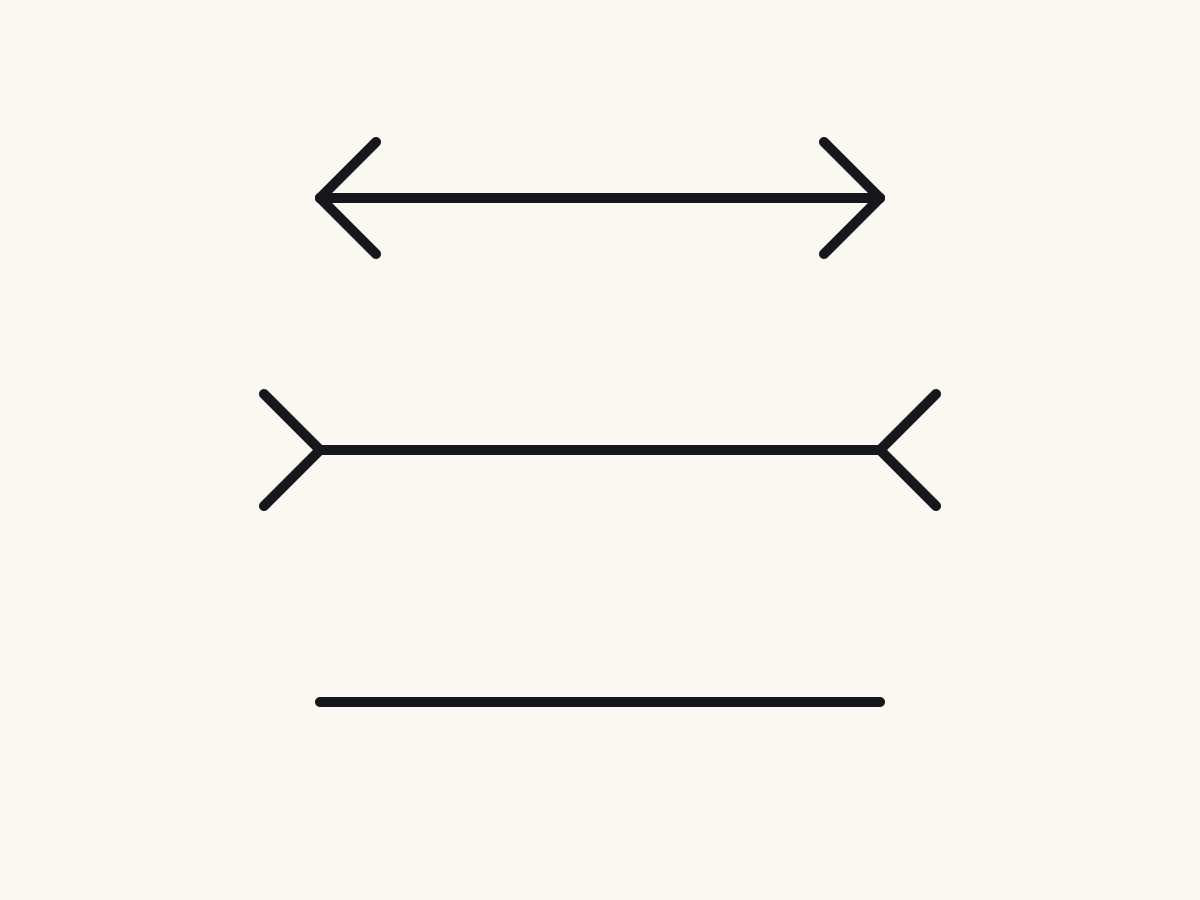
Three identical lines that look clearly different in length.
Test your eyes
Drag the slider until the lower line (arrowheads) looks exactly as long as the upper line (tails). Then press Check.
What do you see?
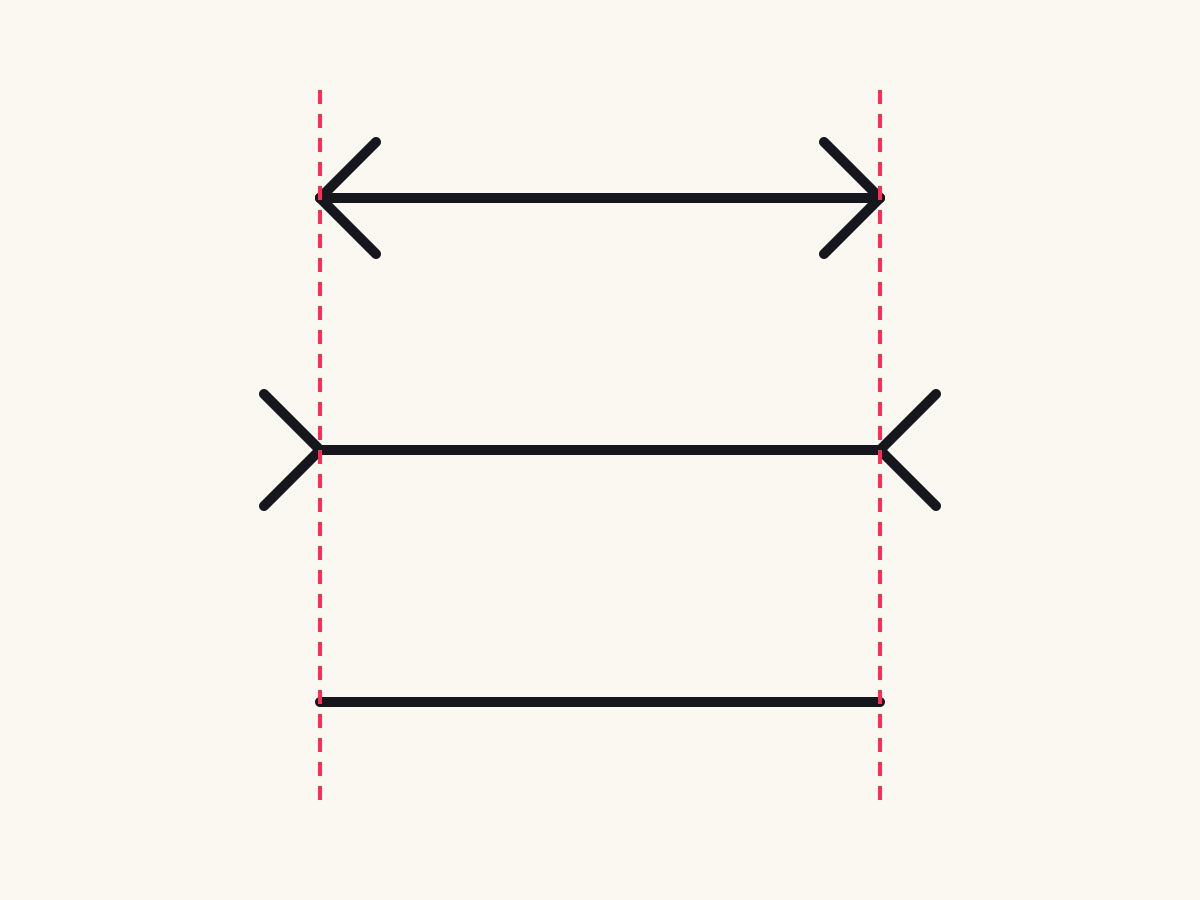
Three horizontal lines. The middle one, with tails flaring outward at each end, looks noticeably longer than the top one, which ends in arrowheads, and the plain line at the bottom sits somewhere in between. In fact all three lines are exactly the same length. Press Reveal to see guide lines drop down from their ends, or try the interactive test below and measure how much it fools you.
How it works
The Müller-Lyer illusion is one of the most studied images in psychology, and there is still lively debate about why it works. Several explanations have strong evidence, and the truth may combine them.
The best-known idea comes from British psychologist Richard Gregory. He pointed out that the figures look like line drawings of corners. The arrowhead version resembles the outside corner of a building, with the vertical edge closest to you and the walls angling away. The fins-out version resembles the inside corner of a room, where the edge is farthest from you and the walls come toward you. Your visual system applies size constancy, scaling things up when they seem farther away so that distant objects do not look tiny. A line that seems far away is mentally enlarged; a line that seems near is not. Even on flat paper, this scaling is applied automatically, so the inside-corner line looks longer.
A second explanation is simpler and more geometric. When judging length, the brain does not measure just the shaft; it uses the overall extent of the figure, including the fins. Fins pointing outward extend the figure and fins pointing inward contract it, so the averaged impression is longer or shorter. This account explains why the illusion still works with circles or blobs at the ends, which do not look like corners at all.
A third approach looks at statistics. Researchers at Duke University analysed thousands of natural photographs with range data and found that line configurations like these are typically produced by real-world edges of different physical lengths. On this view, perception reports the length that such an image most likely corresponds to in the world, not the length on the page.
There is also striking cultural research. In the 1960s, Marshall Segall, Donald Campbell and Melville Herskovits found that people raised in environments full of straight-edged buildings were on average more susceptible than people from some rural communities with fewer right angles, though later studies have debated the size and meaning of the difference.
Even when you know the truth, the illusion does not go away. That persistence tells us the effect happens early and automatically, before conscious reasoning can correct it.
History
German psychiatrist and sociologist Franz Carl Müller-Lyer published the figure in 1889. It quickly became a standard test case for theories of perception and has been studied in children, animals and people across many cultures. The drawings and interactive test on this page were made for OpticalIllusions.com.
Try it
- Use the slider test below to make the arrowhead line look as long as the tailed line, then check your error.
- Press Reveal to drop guides from the ends of each line.
- Measure the lines on screen with a ruler or a sheet of paper.
- Try covering the fins with your fingers: the lengths suddenly look equal.
Written by K.R. for OpticalIllusions.com · Updated . Illusion artwork © The Wizard Of Sales, LLC. Feel free to share a link; see our terms for reuse.
Related illusions
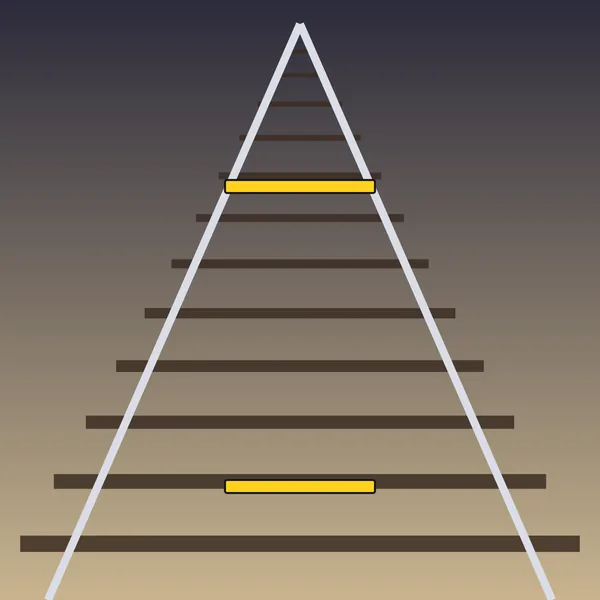 Geometric illusionsPonzo IllusionTwo equal bars on converging rails look like different lengths.
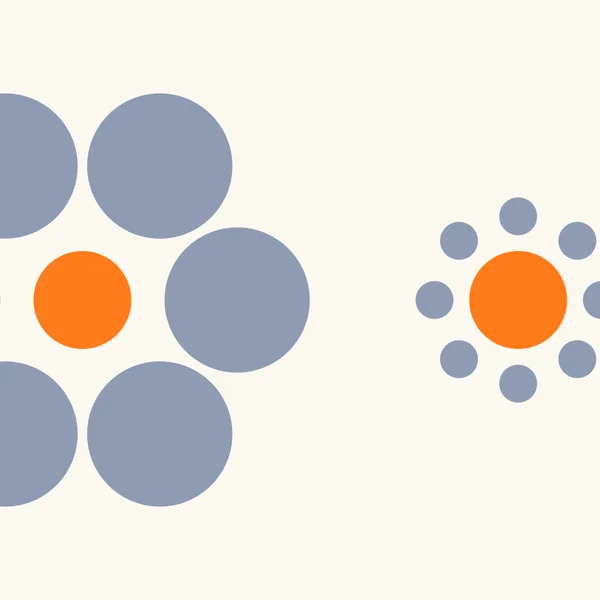 Geometric illusionsEbbinghaus IllusionA circle among giants looks small; among dwarfs it looks big.
 Geometric illusionsJastrow IllusionTwo identical arcs, but the lower one always looks bigger.
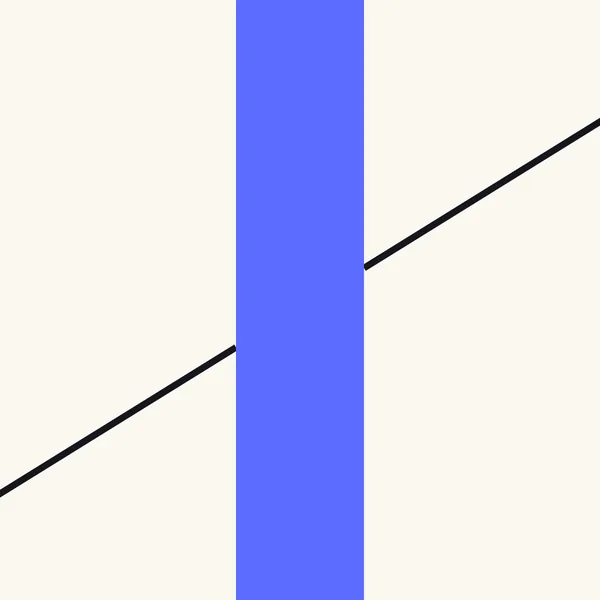 Geometric illusionsPoggendorff IllusionA straight diagonal looks misaligned where a bar crosses it.